1 / 10
Investor brief, October 2026
Measure bladder state, not wet fabric.
DryNight is a proposed connected system that aims to estimate bladder filling overnight and support a private cue before wetness begins.
- Stage
- Pre-prototype
- DryNight data
- None
- Regulatory status
- Not FDA-cleared or approved
- Next milestone
- Stage 0, a non-human bench feasibility phase
2 / 10
The timing gap starts before wetting.
Moisture alarms are established tools. They respond when wetting starts. DryNight asks whether an earlier, usable bladder-state signal can be detected overnight.
Proposed cue window
A hypothesis to test
Wetting begins
Moisture alarm detects
Illustrative timing model, not measured DryNight output.
3 / 10
The thesis has two independent failure points.
Can we see a repeatable signal?
Candidate sensors must distinguish a bladder-related change from posture, motion, body variation, and coupling noise.
Can a cue help without adding burden?
Sensing success does not prove that a cue wakes a child or improves the night. That question requires separate human-factors and feasibility work.
4 / 10
A proposed system, not finished hardware.
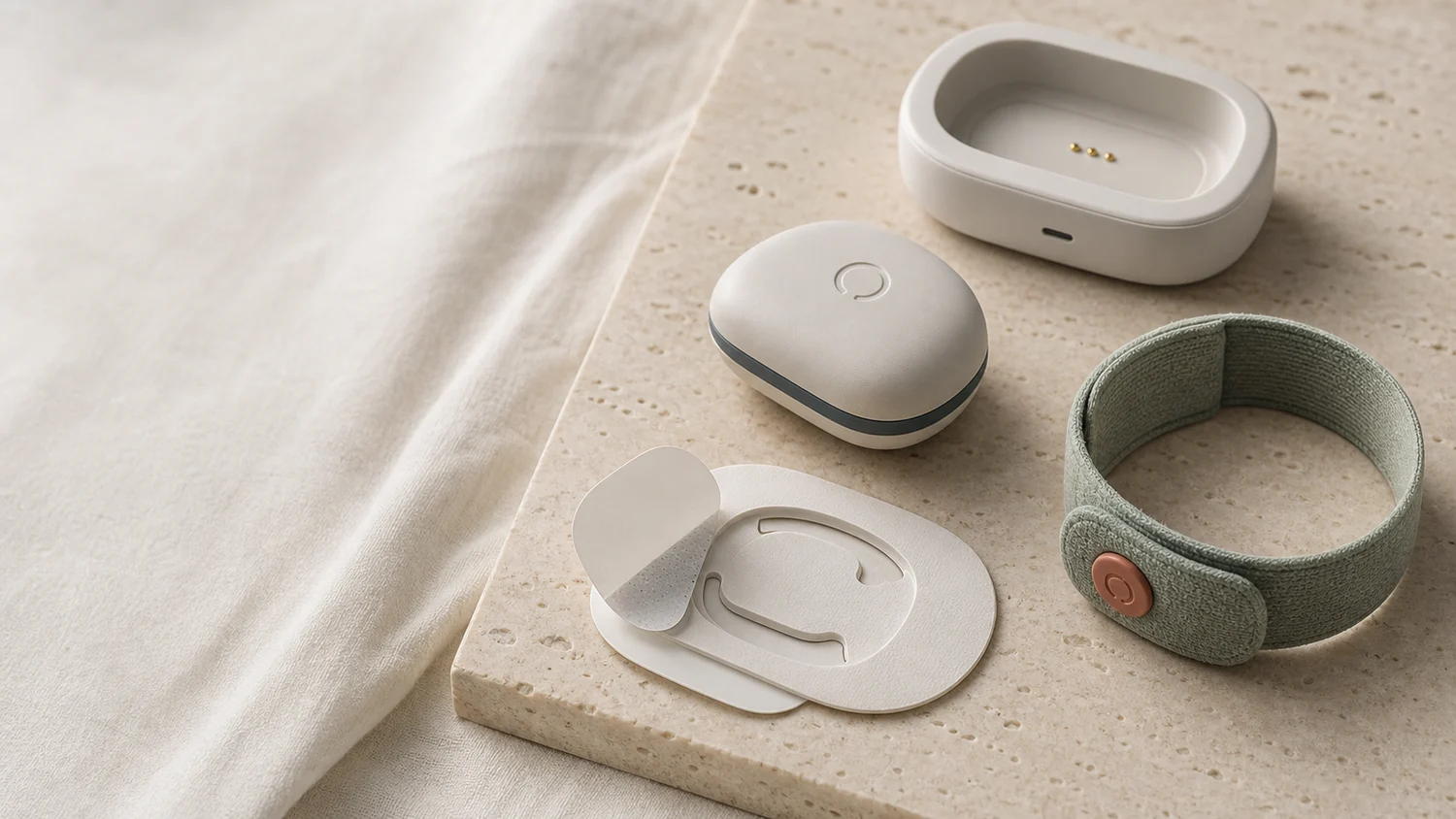
The current design brings together a sensing core, skin interface, private cue band, and charging dock. Stage 0 may change every component.
5 / 10
Published precedent makes the question worth testing.
15 of 18
natural nocturnal bladder-filling cycles detected in 14 analyzed children during a single-night home feasibility session.
Kwinten et al., 202027 of 30
children whose full bladder was recognized before voiding during controlled urodynamic filling.
van Leuteren et al., 2018External findings, not DryNight performance. Notifications were deactivated in the nocturnal study. Neither study tested whether a cue can rouse a sleeping child.
Competitive question
Why does this need to exist beyond SENS-U?
SENS-U is the nearest pediatric precedent and part of the competitive landscape. DryNight cannot assume an open field. It has to show that an overnight body interface, useful lead time, private cue, and family escalation plan create a distinct system that children can use repeatedly.
6 / 10
The next milestone is bench feasibility.
No human use. No product claim. One bounded technical question: is there a repeatable bladder-related signal worth putting on a body?
Signal screening
Candidate modalities, placement, motion, coupling, noise.
Body-interface bench work
Fixtures, repeatability, materials, power, thermal constraints.
Go or redirect review
Build a body-worn prototype only if the bench result supports it.
7 / 10
What can a connected-device engineering partner do?
Own the path from sensing architecture through a reviewable Stage 0 bench data package.
8 / 10
Evidence decides whether the program advances.
Advance
A repeatable signal survives realistic bench conditions and justifies a body-worn prototype.
Redirect
The first modality or interface fails, but another bounded experiment is supported.
Stop
No candidate produces a usable signal above noise or within practical device constraints.
9 / 10
Built from lived experience. Judged by evidence.
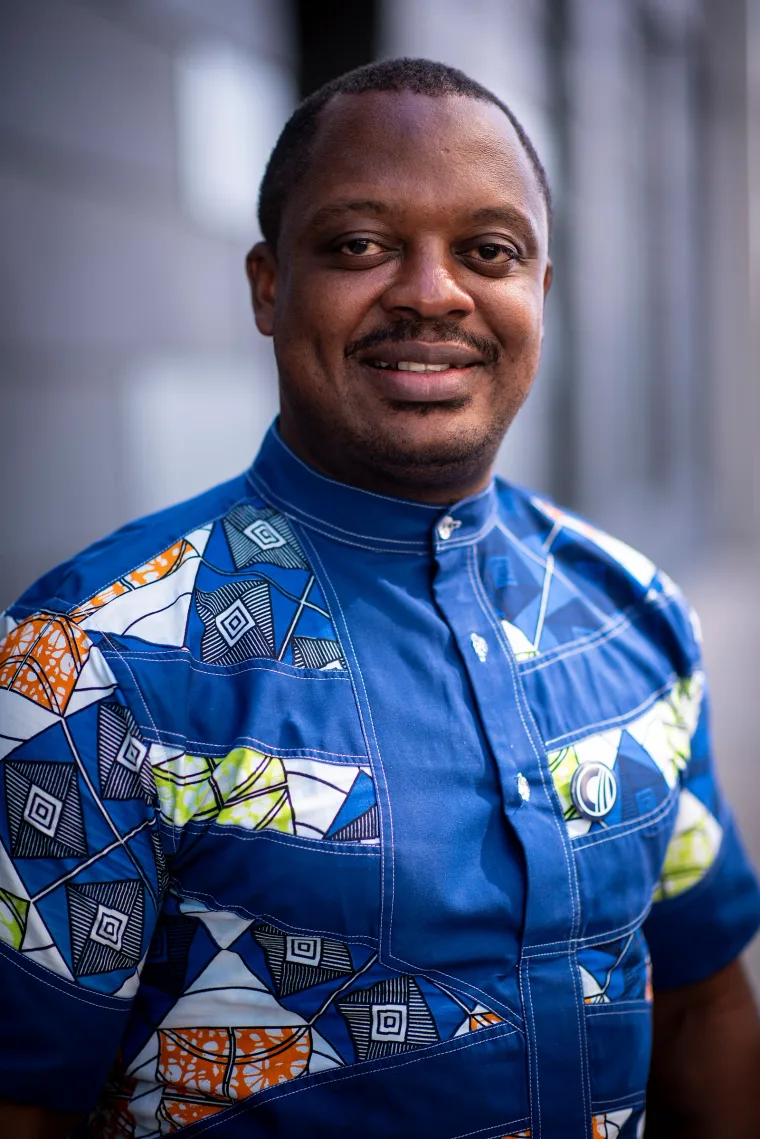
DryNight began with lived experience. Elvis wet the bed until age twelve. His son now lives with the same problem, and that continuity turned a private family burden into a technical question worth testing.
Founder record establishes healthcare operating context. It does not validate the device.
Read the company story10 / 10
Help us earn the first signal.
DryNight is seeking technical collaboration and investor conversations grounded in the Stage 0 evidence milestone.
Start a conversationWhat is not stated here
No public raise terms. No market-size claim. No IP claim. No traction claim. No commitment beyond a scoped conversation.